
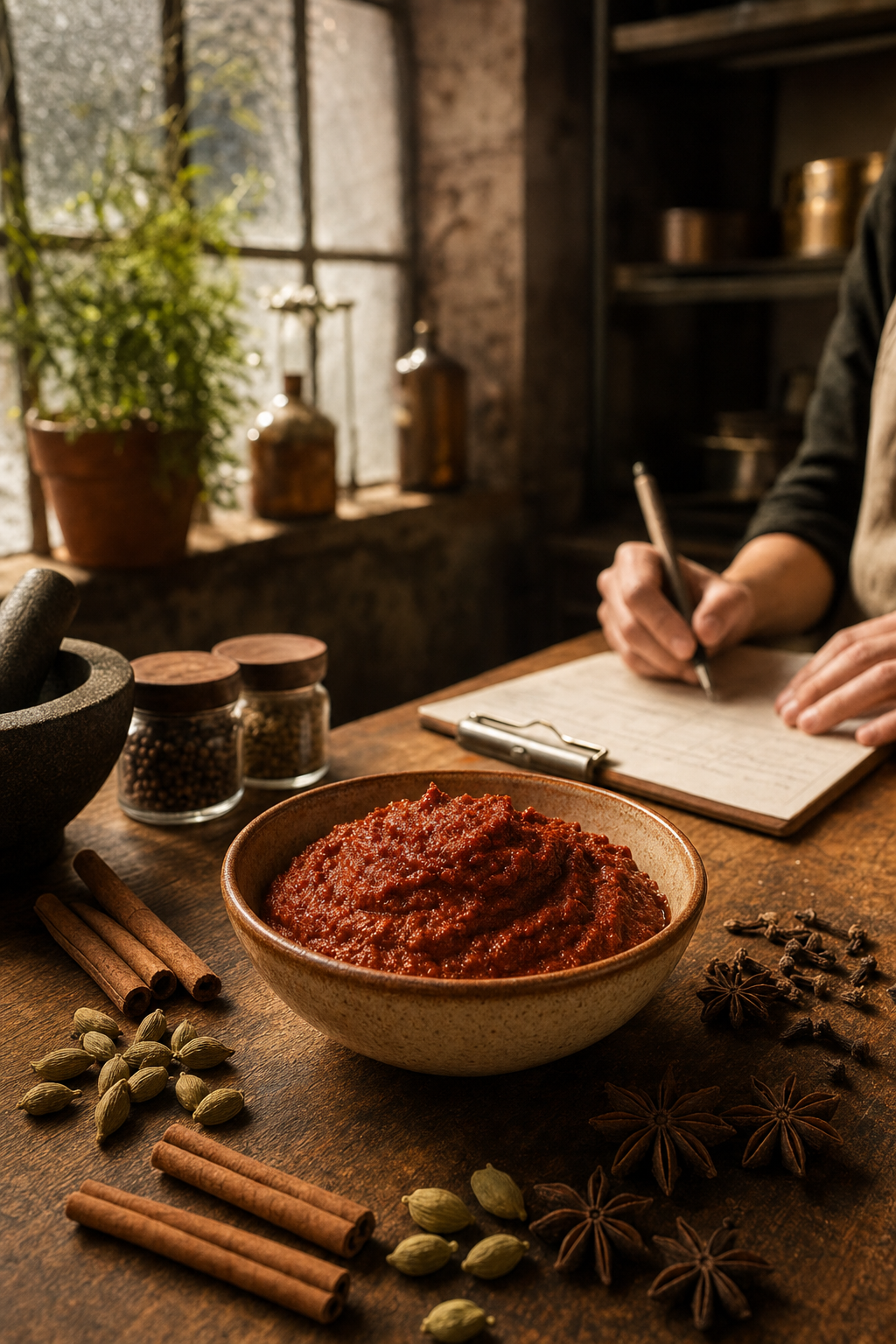
The South Indian cuisine global restaurant market opportunity is expanding rapidly as international consumers seek authentic, plant-based, and gluten-free dining experiences. Investors can seize this growth by scaling regional concepts that highlight traditional spices and healthy fermentation techniques across diverse geographic regions. This strategic expansion taps into a high-demand niche that offers significant potential for long-term profitability and global brand loyalty.
For decades, international restaurateurs have struggled with the diminishing returns of a saturated North Indian dining market. While Chicken Tikka Masala remains a staple, the high competition and rising operational overhead of traditional heavy cream and clay oven menus often stifle profitability. Savvy investors are now looking toward South Indian cuisine as the next logical frontier for sustainable global growth. This shift is not merely a culinary trend; it is a calculated response to the rising consumer demand for plant based, gluten free, and high energy meals that fit modern lifestyles. In this article, we analyze the specific factors driving this market evolution. You will learn how to leverage operational scalability, master all day dining formats, and utilize Brand Mantra’s strategic engineering to turn regional authenticity into a high volume global enterprise.
Beyond Tikka Masala: The New Frontier of Indian Dining
For decades, the global perception of Indian food was defined by a narrow selection of North Indian staples. Heavy, cream based gravies and tandoor fired naans became the standard in cities from London to Seattle. While these dishes established a primary foothold for the cuisine, the modern diner is evolving rapidly. Today’s market demands transparency, regionality, and lighter fare that fits a fast paced lifestyle. This shift has created a significant South Indian cuisine global restaurant market opportunity as consumers move away from the generic curry house model.
Discerning diners are now seeking the complex textures and vibrant profiles found in the southern states. Fermented rice and lentil batters, precise tempering of mustard seeds and curry leaves, and coastal coconut based gravies offer a refreshing departure from the status quo. However, capturing this market requires more than just authentic recipes; it demands rigorous operational systems.
At Brand Mantra, we leverage our culinary consulting services to help operators navigate this transition. We specialize in transforming traditionally labor intensive processes into scalable, profitable models. By integrating central kitchen planning with high volume operational expertise, we ensure that a delicate Dosa or a complex Sambar remains consistent across a multi unit rollout. Our Mysore Masale flagship concept serves as a practical blueprint for this balance, bridging the gap between ancestral flavors and the industrial precision required for global expansion.
Why Global Consumers Are Gravitating Toward South Indian Flavors
The modern dining landscape is currently in a discovery phase, where experiential elements drive brand loyalty. Millennials and Gen Z diners are moving away from passive consumption toward dishes that offer a narrative and a visual spectacle. A paper thin, three foot long Dosa served on a platter is more than a meal; it is a shareable moment that captures attention in a crowded social media environment. This visual appeal provides a low barrier to entry for the South Indian cuisine global restaurant market opportunity, drawing in curious consumers who then stay for the depth of flavor.
Beyond aesthetics, there is a fundamental shift toward functional eating. Global interest in gut health has elevated fermented foods like kimchi and kombucha to mainstream status. South Indian cuisine naturally leads this category. The traditional 12 to 24 hour fermentation process for Idli and Dosa batters creates a probiotic rich profile that resonates with health conscious urbanites in cities like Seattle and London. This is not a forced marketing angle; it is an inherent culinary truth that aligns with modern wellness trends without requiring the use of processed additives.
The flavor profile itself offers a necessary departure from the heavy, dairy centric models of the past. By replacing heavy creams and ghee with the bright acidity of tamarind, the earthiness of cracked mustard seeds, and the citrus notes of fresh curry leaves, the cuisine feels lighter and more vibrant. This brightness is a key differentiator in culinary consulting services, where we help operators move beyond the one sauce fits all approach. The result is a menu that feels sophisticated and refreshing, encouraging repeat visits rather than the once a month indulgence typical of traditional curry houses.
The Health Factor: Naturally Plant Based and Gluten Free Benefits
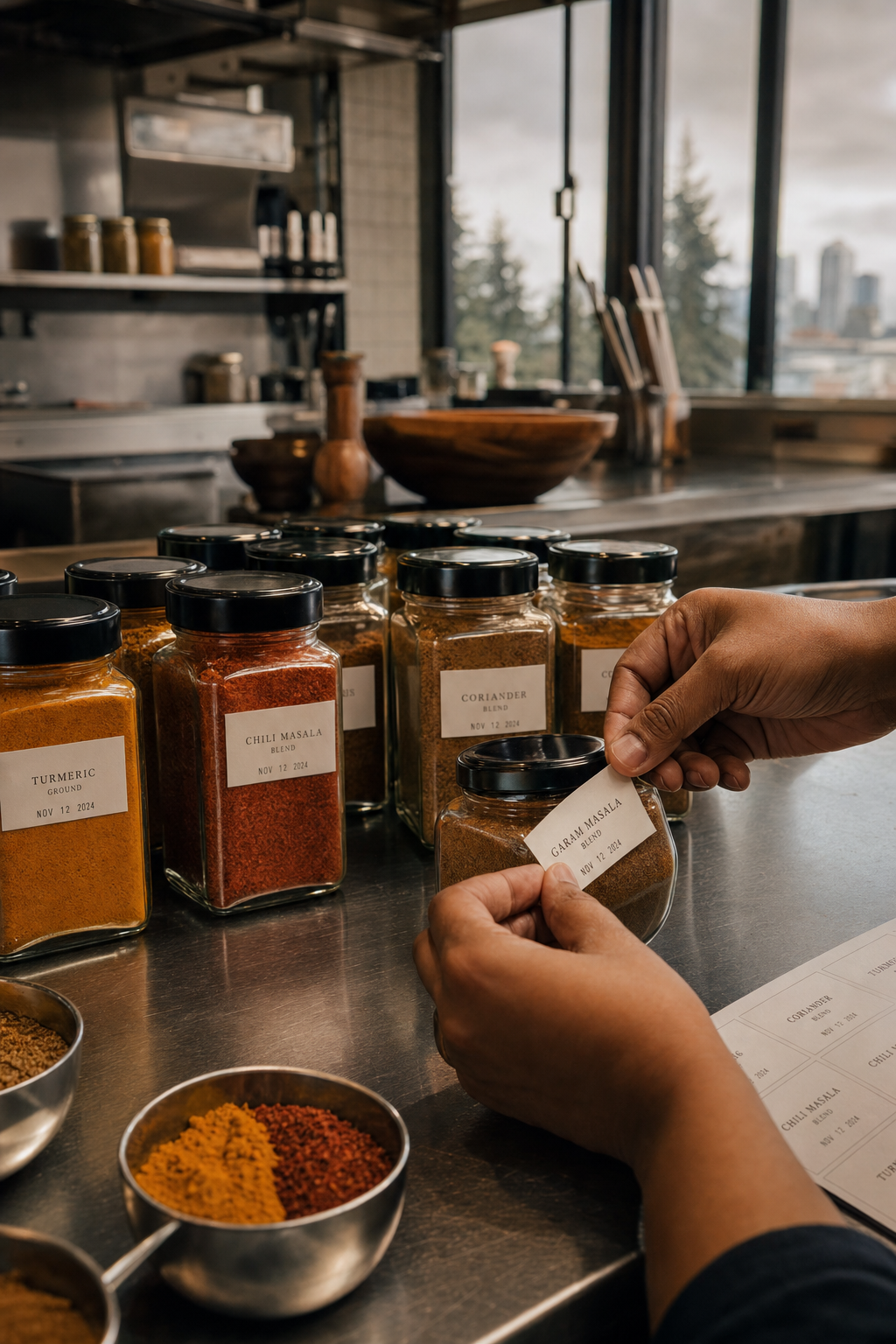
The health profile of South Indian cuisine provides a significant advantage in today’s regulatory and consumer environment. While many Western concepts struggle to adapt menus for gluten-free or vegan requirements, South Indian staples are inherently compliant. Idli, Dosa, and Appam are built on a foundation of rice and de-husked black lentils. This combination creates a complete protein profile that is naturally gluten-free and plant-based, requiring no expensive alternative ingredients or chemical binders to satisfy modern dietary restrictions.
The biological core of this cuisine is the fermentation process. In markets like Seattle, London, and Dubai, the demand for clean label and gut-healthy options is at an all-time high. The traditional soaking and grinding of grains, followed by a controlled fermentation period, breaks down phytic acid and increases the bioavailability of minerals. This process does more than develop the signature tang of the batter; it ensures the final product is easily digestible and probiotic-rich, appealing directly to the functional food movement.
For operators, this natural alignment simplifies culinary consulting services by reducing the need for specialized, costly inventory for niche diets. Our work with the Mysore Masale flagship concept demonstrates that these health benefits can be scaled through precise central kitchen planning without compromising on taste. By emphasizing these naturally functional attributes, restaurant owners can capture the health-conscious demographic while maintaining high-profit margins. The South Indian cuisine global restaurant market opportunity is uniquely positioned here; it offers a transparent, ancient solution to the modern diner’s most pressing health concerns.
Operational Scalability: The Secret to High Volume Success
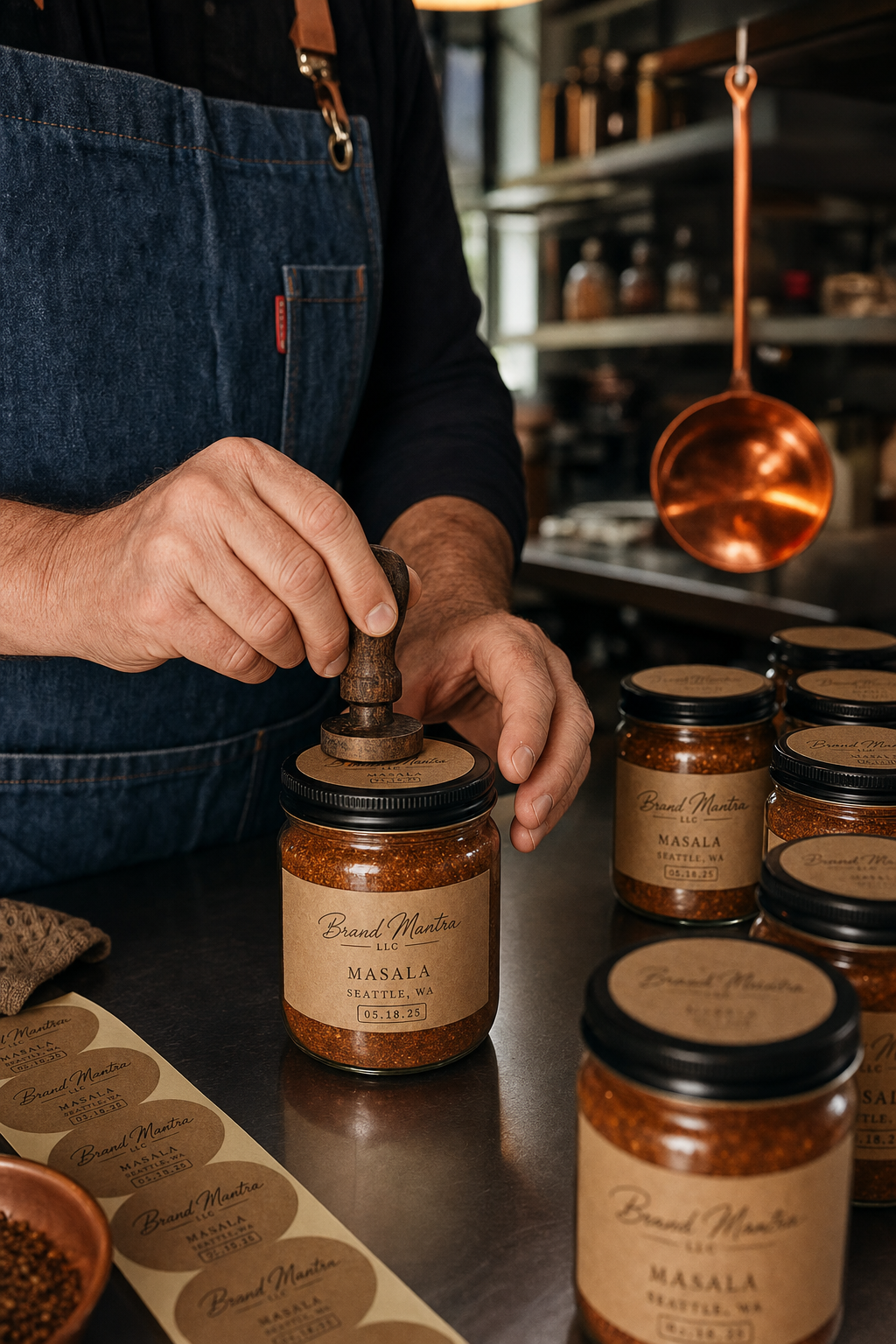
The perception that South Indian food is too labor-intensive for rapid scaling is a common misconception in the industry. While the artisanal nature of the cuisine involves nuanced steps, such as precision fermentation and multi-stage spice tempering, these processes are inherently repeatable when approached with engineering discipline. The South Indian cuisine global restaurant market opportunity relies on the ability to decouple these complex preparations from the front-line kitchen, shifting the burden of consistency to a controlled environment.
Central to this strategy is the implementation of robust central kitchen planning. By centralizing the production of high-variance components, such as fermented lentil batters and complex base gravies, operators can eliminate the flavor drift that often plagues multi-unit expansions. Brand Mantra facilitates this by providing standardized HORECA supplies, including signature masalas and bulk base gravies. This allows a restaurant in Seattle or Dubai to produce a Sambar with the exact same acidity and spice profile as the original concept, regardless of the local kitchen staff's familiarity with the cuisine.
Standard Operating Procedures (SOPs) are the backbone of this industrial precision. In our Mysore Masale flagship concept, every movement is codified, from the surface temperature of the griddle to the exact volume of batter dispersed. This level of detail transforms a traditionally craft-based culinary art into a high-volume system capable of maintaining quality under the pressure of airport food services or large institutional settings. By leveraging culinary consulting services, investors can ensure that the artisanal soul of the food is preserved through a scientific delivery system. This balance of traditional output and mechanical execution ensures that scalability does not come at the expense of authenticity or unit-level profitability.
Unlocking New Revenue Streams with All Day Dining Formats
The efficiency of a high volume system is only fully realized when the kitchen operates at peak capacity throughout the day. Unlike many international dining models that rely heavily on a concentrated dinner service, South Indian cuisine is inherently designed for an all day dining cycle. This versatility is a cornerstone of the South Indian cuisine global restaurant market opportunity, as it allows operators to capture diverse dayparts without significantly increasing fixed overhead costs.
The Tiffin concept, characterized by light, savory snacks such as Medu Vada or mini Idlis, serves as a crucial revenue driver during the traditional mid afternoon slump. These items bridge the gap between lunch and dinner, maximizing labor efficiency and ensuring that expensive kitchen real estate remains productive. For example, a Seattle cafe can differentiate its brand by integrating a South Indian breakfast program. Offering steamed, probiotic rich Idlis or a breakfast Dosa provides a nutrient dense, savory alternative to the sugar heavy pastries that currently dominate the local market.
Through our culinary consulting services, we help businesses adapt these formats to suit their specific demographics. By implementing the Mysore Masale flagship concept, owners can move beyond the restrictive dinner only fine dining model. This strategic shift transforms the restaurant into a high utilization asset, generating consistent foot traffic and maximizing the return on investment through structured, all day execution.
Engineering the Future: How Brand Mantra Simplifies Global Expansion
Successful global scaling requires a transition from artisanal craft to technical systems. While the flavors of the south are evocative, the back of house operations must be governed by data. Brand Mantra applies a rigorous approach to menu engineering, specifically tailored to the unique cost structures of rice and lentil based dishes. We help operators navigate the complexities of traditional service by implementing precise portion control for high variance items like fresh coconut chutneys and spice infused sambars. This level of granular cost control ensures that the South Indian cuisine global restaurant market opportunity remains a high margin venture for investors.
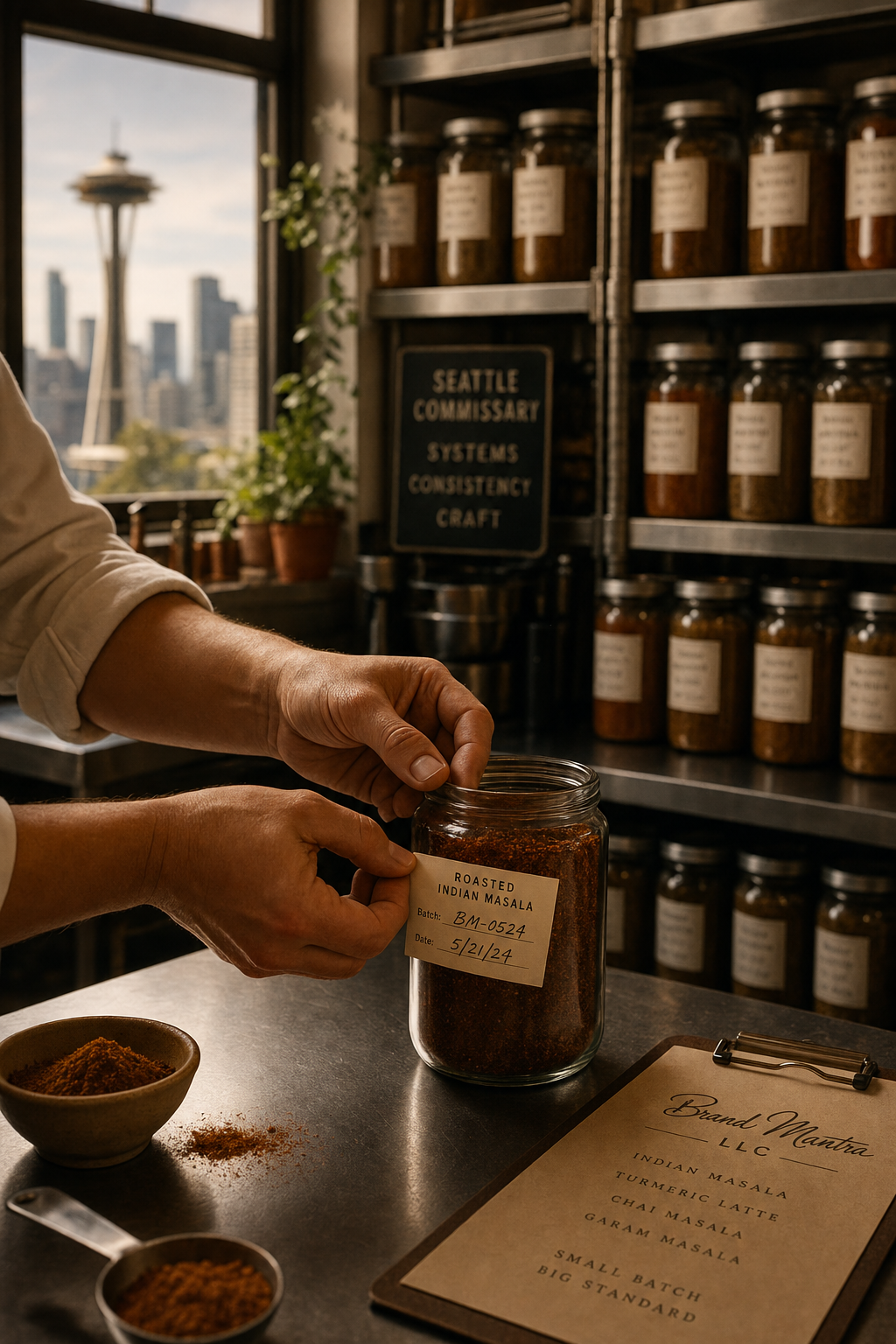
A critical component of this expansion strategy is our HORECA supply chain integration. We mitigate the risk of flavor drift by providing proprietary spice blends and base gravies that serve as the foundation for the menu. By removing the need for on site spice roasting and complex grinding, we reduce the requirement for highly specialized labor at the unit level. This plug and play model, supported by our central kitchen planning expertise, allows a brand to maintain its culinary identity across diverse geographical markets without sacrificing quality.
Trust in these systems is built on Brand Mantra’s twenty years of operational experience. Our background in high volume, high stakes environments, such as international airport food services and large scale institutional kitchens, informs every SOP we develop. We understand that in a high pressure environment, simplicity is the key to reliability. Our culinary consulting services provide more than just recipes; we deliver the blueprints for profitable, repeatable execution. Through the Mysore Masale flagship concept, we demonstrate that even the most complex regional traditions can be distilled into a scalable system that meets the demands of the modern global market.